How Does Renting an Apartment Work?
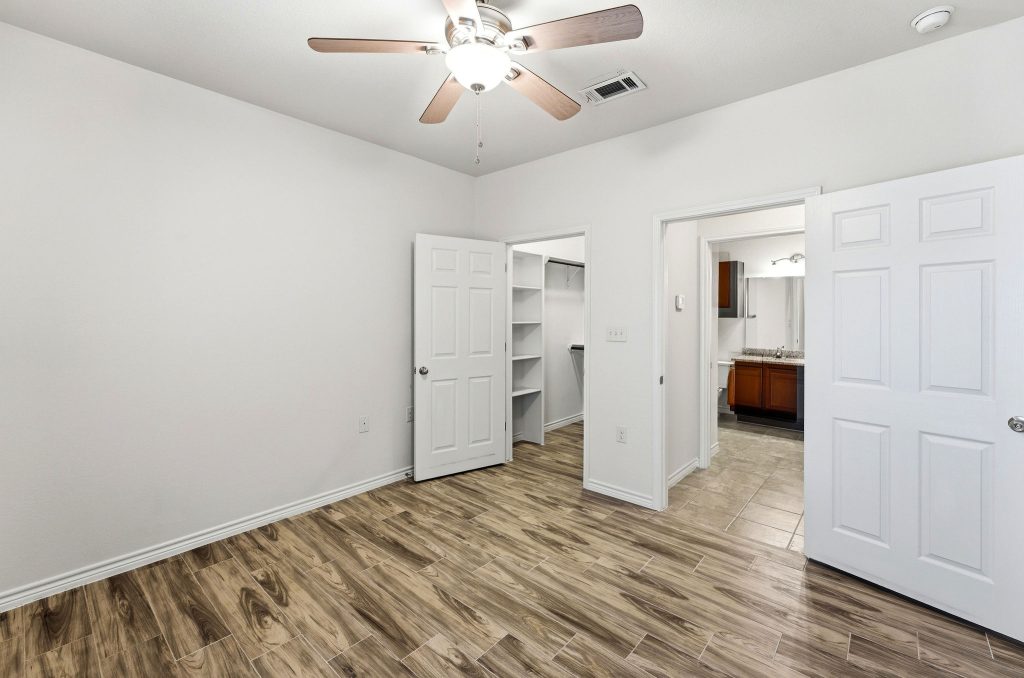
Renting an apartment can feel overwhelming the first time you go through the process. From applications and deposits to lease agreements and pet policies, there are several steps renters need to understand before signing a contract. Knowing what to expect can make the experience much smoother and help you avoid costly surprises later.
In the United States, renting remains a major part of the housing market. According to the U.S. Census Bureau, nearly half of renter households spent more than 30% of their income on housing costs in 2023. In addition, Zillow reports that about 35% of U.S. households currently live in rental properties.
Sonterra Apartments offers 274 apartments to rent in Jarrell, Texas. You can contact us here for more information.
The Apartment Application Process
Before you can move into an apartment, you usually need to complete a rental application. Landlords and property management companies use this process to determine whether you are financially reliable and likely to pay rent on time.
Most applications require personal information, proof of income, employment history, and permission for a background or credit check. Many landlords also ask for references. A reference could come from a previous landlord, employer, or even a personal contact who can confirm that you are responsible and trustworthy.
In many cases, landlords want to see that your monthly income is at least two or three times the monthly rent. If you have limited credit history, a co-signer or guarantor may be required.
Applicants are also typically expected to pay a minimum deposit before moving in. This security deposit protects the landlord in case of unpaid rent or damage to the apartment. Depending on state laws and the property, the deposit is often equal to one month’s rent.
At Sonterra Apartments, we require a completed application, proof of income showing the household makes approximately 3x the monthly rent, government-issued identification, and all applicable fees.
The fees include a $50 application fee per adult and a $150 administration fee per household. Once approved, the security deposit must be paid within 48 hours.
What Should Be Included in the Rental Agreement?
A lease agreement outlines the rules and expectations for both the renter and the landlord. Before signing, renters should carefully review what is included such as:
- Parking
- Maintenance or issues
- Rent changes
- Amenities
- Trash collection
One important section covers amenities. Amenities may include access to a gym, swimming pool, laundry facilities, internet, or community spaces. Some apartment buildings also include utilities such as water or trash collection in the monthly rent, while others charge separately.
Parking is another important detail. Some apartments provide free parking, while others charge a monthly fee for a reserved spot or garage access. If parking is limited, the lease should explain visitor parking rules and towing policies.
The lease should also clearly explain who to contact if there is an issue in the apartment. For example, renters should know whether they need to call the landlord directly, contact a property management office, or use an emergency maintenance hotline for urgent repairs like plumbing leaks or heating problems.
Understanding these details before moving in can prevent confusion later.
What Are The Lease Terms When Renting An Apartment?
Most apartment leases are either month-to-month agreements or fixed-term leases. A fixed-term lease usually lasts six months or one year. During that period, the renter agrees to pay a specific amount of rent each month.
Month-to-month leases offer more flexibility because tenants can leave with proper notice, often 30 days. However, landlords can also adjust rent or end the agreement more easily under these arrangements.
A fixed lease provides stability because the rent usually cannot change until the lease expires. This can be helpful in areas where rental prices increase quickly.
The lease should also explain penalties for breaking the agreement early. Some landlords charge an early termination fee, while others may require renters to continue paying until a new tenant is found.
How Does It Work With Renting Furnished vs. Non-Furnished Apartments?
One of the biggest decisions renters face is whether to choose a furnished or non-furnished apartment.
A furnished apartment typically includes basic furniture such as a bed, couch, dining table, and kitchen appliances. These apartments are convenient for students, short-term renters, or people relocating for work because they require less upfront spending on furniture.
However, furnished apartments often cost more per month because the furniture is included in the rental price.
Non-furnished apartments generally only include major appliances and fixtures. Renters must provide their own furniture, but the monthly rent is usually lower. Many long-term renters prefer this option because it allows them to personalize their living space.
Before signing a lease, renters should verify exactly what is included. Some “partially furnished” apartments may only provide certain items.
Are Pets Allowed When Renting An Apartment??
Pet policies vary widely between apartment communities. Some properties welcome pets, while others prohibit them completely.
If pets are allowed, renters may need to pay a pet deposit or monthly pet rent. There may also be restrictions on the size, breed, or number of pets permitted in the apartment.
It is important to get all pet rules in writing before moving in. Violating pet policies can result in fines or even eviction in some cases.
For renters with service animals or emotional support animals, federal and state laws may provide additional protections.
Can My Rent Change At Any Point?
Rent changes depend largely on the type of lease agreement.
With a fixed-term lease, the rent usually stays the same until the lease ends. Once the lease expires, the landlord may offer a renewal with a higher monthly rate.
With a month-to-month lease, landlords often have the right to increase rent with advance notice, as required by local laws.
In recent years, rent prices have fluctuated significantly across the country. USAFacts reported that the median monthly rent in the U.S. reached about $1,487 in 2024. Because rental markets can change quickly, renters should review renewal offers carefully and compare local prices before signing another lease.
Understanding how renting works can help renters make informed decisions and avoid unnecessary stress. By carefully reviewing applications, lease terms, amenities, and rental policies, tenants can find an apartment that fits both their budget and lifestyle.