What Are My Legal Rights When Renting an Apartment?
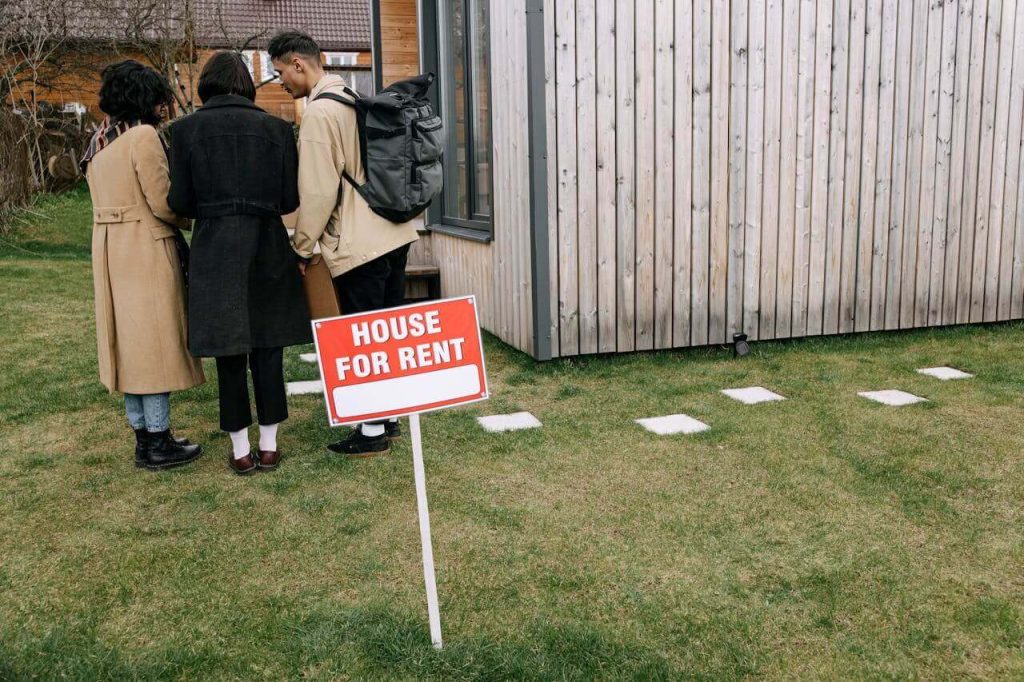
Renting an apartment is not just a private agreement between a tenant and a landlord; it is also governed by a wide range of laws designed to protect both parties. In the United States, tenants have important legal rights that ensure fair treatment, safe living conditions, and protection against discrimination.
According to reports, around 44 million households in the United States are renter-occupied.
In addition, a 2024 Harvard Joint Center for Housing Studies report found that more than half of U.S. renter households are cost-burdened, meaning they spend over 30% of their income on housing. These figures highlight how important tenant protections are in a large and financially significant rental market.
Sonterra Apartments offers beautiful 2 bedroom apartments to rent near Jarrell. You can contact us here for more information.
The Right to a Habitable Home
One of the most fundamental legal rights tenants have is the right to a habitable living space. This means the apartment must be safe, sanitary, and fit for living.
Landlords are generally required to provide basic services such as running water, heat, electricity, and proper structural maintenance. Issues like mold, pest infestations, broken heating systems, or severe plumbing problems must be addressed in a reasonable timeframe.
If a landlord fails to maintain habitable conditions, tenants may have legal options such as requesting repairs, withholding rent in some states, or terminating the lease under certain conditions.
This legal principle is known as the “implied warranty of habitability,” and it exists in all 50 states, although enforcement varies.
Protection Against Discrimination
Tenants are also protected against discrimination when applying for or living in rental housing.
Under the federal Fair Housing Act, landlords cannot refuse to rent or treat tenants unfairly based on race, color, national origin, religion, sex, disability, or familial status. Some states and cities extend these protections further to include factors such as sexual orientation, gender identity, or source of income.
According to the U.S. Department of Housing and Urban Development, thousands of housing discrimination complaints are filed each year, with race and disability being among the most common categories reported.
If a tenant believes they have been discriminated against, they can file a complaint with HUD or pursue legal action through state housing agencies.
The Right to Privacy and Proper Notice
Even though landlords own the property, tenants still have a right to privacy in their rented home.
In most states, landlords must provide advance notice before entering a rental unit. This notice is typically 24 hours, although the exact requirement can vary depending on local laws. Landlords are generally only allowed to enter for valid reasons such as repairs, inspections, or emergencies.
Unauthorized or repeated entry without notice may be considered a violation of tenant rights.
This balance ensures that landlords can maintain their property while respecting the tenant’s personal living space.
Read Also
Can I leave a lease early when renting an apartment?
What information do I have to give when renting an apartment?
Security Deposit Protections
Security deposits are another area where tenants have legal protections.
In most states including Texas, landlords are required to return a tenant’s security deposit within a specific timeframe after the lease ends, often within 14 to 60 days. Deductions can only be made for specific reasons such as unpaid rent, cleaning beyond normal wear and tear, or property damage.
According to Zillow, the average U.S. security deposit is approximately equal to one month’s rent, which makes it a significant amount of money for most renters.
Landlords are also typically required to provide an itemized list of deductions if any portion of the deposit is withheld.
Lease Agreement Rights
A lease is a legally binding contract, but tenants still have rights even after signing it.
For example, landlords cannot change lease terms arbitrarily during the lease period unless both parties agree. This includes rent increases, rule changes, or additional fees.
Tenants also have the right to receive a copy of their signed lease and request clarification on unclear terms.
If a landlord violates the lease agreement, tenants may be able to take legal action or break the lease without penalty, depending on the severity of the violation.
Eviction Protections
Eviction is a legal process that landlords must follow carefully. They cannot simply force a tenant to leave without going through proper court procedures.
In most states, landlords must provide written notice before filing for eviction, such as a notice to pay rent or quit. If the issue is not resolved, the case may go to court, where a judge determines the outcome.
Tenants have the right to defend themselves in court and may be able to avoid eviction by paying overdue rent or resolving lease violations.
Understanding and Exercising Your Rights
Knowing your legal rights as a renter is essential for protecting yourself in the housing market. While laws vary by state, core protections such as habitability, privacy, and fair treatment apply broadly across the United States.
Tenants who understand their rights are better prepared to handle disputes, negotiate with landlords, and ensure they are treated fairly throughout their tenancy.