What Is Included in a Lease When Renting an Apartment?
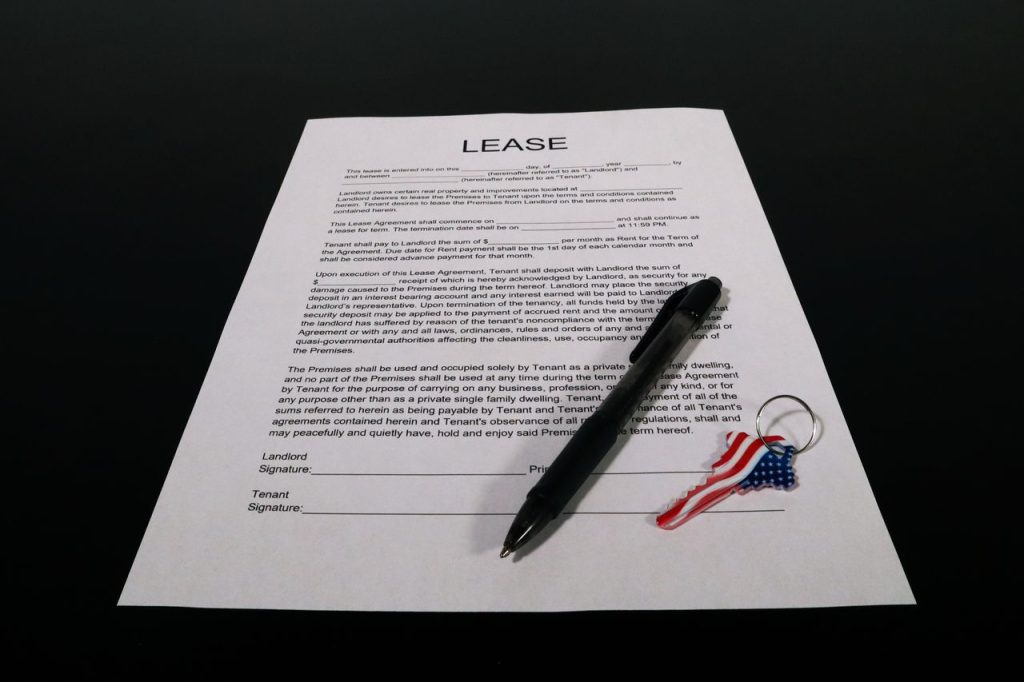
When renting an apartment, a lease is a legal contract that explains the terms between a tenant and a landlord. It outlines what you agree to pay, how long you will stay, and what rules you must follow while living in the property. A typical apartment lease usually includes:
- Monthly rent amount and due date
- Lease duration and renewal terms
- Security deposit requirements
- Rules for pets, smoking, and guests
- Maintenance and repair responsibilities
- Utility responsibilities and what is included in rent
- Fees such as late payment charges or parking costs
- Conditions for breaking or ending the lease early
- Landlord and tenant contact details
At Sonterra Apartments, we provide a professional lease before you rent one of our apartments or townhouses. You can see our selection of properties available here.
What Is Not Included in a Lease When Renting an Apartment?
A lease does not cover every cost or responsibility related to living in an apartment. Many personal expenses and optional services are left out of the agreement.
Common items not included in a lease are:
- Personal groceries and household supplies
- Furniture, unless the unit is furnished
- Streaming services and entertainment subscriptions
- Personal internet upgrades or premium packages
- Renters insurance, unless specifically required
- Optional parking in some communities
- Utility overages beyond normal usage policies
- Personal damage caused by the tenant
If something is not clearly written in the lease, it is usually not guaranteed as part of your rental agreement.
Explainer Video
What Happens if I Do Not Agree With the Lease and Do Not Want to Sign It?
If you do not agree with the lease terms, you are not required to sign it. A lease is a legal contract, and both the landlord and tenant must willingly accept its terms for it to be valid.
If you choose not to sign, the landlord may decide to negotiate certain terms with you. This could include adjusting rent, changing pet rules, or clarifying maintenance responsibilities. However, the landlord is not obligated to change the lease.
In many cases, if no agreement is reached, the landlord may withdraw the rental offer and move forward with another applicant. Rental markets in many areas are competitive, and landlords often have multiple applicants for the same unit.
Should I Have a Lawyer Look Over My Lease When Renting an Apartment?
In most cases, you do not need a lawyer to review a standard apartment lease. Many leases used by large property management companies are already standardized and easy to understand.
However, legal advice may be helpful if the lease contains complex legal language that is difficult to interpret, or if you are renting a high-value property where the financial commitment is significant. It may also be wise to seek guidance if the lease includes unusual fees, penalties, or custom clauses that are not typically found in standard rental agreements.
If you are unsure about your rights as a tenant, a lawyer or tenant advisor can help clarify your obligations and protect your interests. Many cities also provide free or low-cost legal aid services that can review leases and explain the terms at no charge.
Should a Landlord Provide Me a Lease Before I Rent an Apartment?
Yes, a landlord should always provide a lease before you move in or pay any non-refundable fees. It is important that you have time to review the agreement in full before making any commitment.
Before signing, you should be given the opportunity to carefully read the lease, ask questions about anything unclear, request changes or clarification if needed, and compare the terms with other rental options you may be considering.
In most states, written leases are required for rental agreements longer than a month-to-month arrangement. This helps protect both tenants and landlords by ensuring all terms are documented and legally enforceable.
How Long Does an Apartment Lease Last?
Apartment leases can vary in length depending on the rental agreement. The most common lease terms include month-to-month leases that automatically renew each month, six-month leases often used for short-term housing, 12-month leases which are the standard in most rental communities, and 18-month or 24-month leases which are sometimes offered with incentives such as slightly lower rent.
According to the U.S. Bureau of Labor Statistics, the average American moves about 11 times in their lifetime, which helps explain why shorter lease options have become more popular in some rental markets. Longer leases often provide more stable rent pricing, while shorter leases offer greater flexibility for tenants who may need to relocate.
Does an Apartment Lease Get Reviewed?
Yes, leases are reviewed at several different stages during the rental process. A landlord typically reviews a lease before approving a tenant application to ensure qualifications are met. Leases are also reviewed during annual renewals when rent changes or updated terms are introduced.
If there is ever a disagreement between a tenant and landlord, the lease may be reviewed again to clarify responsibilities and obligations. In some cases, legal professionals or housing authorities may review the lease if a dispute escalates to formal proceedings.
Some apartment communities automatically renew leases with updated terms, while others require tenants to sign a new lease each year. Because of this, it is important to carefully review renewal documents, as changes in rent or policies can occur.
Final Thoughts
A lease is one of the most important documents in the renting process because it clearly defines what you are agreeing to as a tenant.
It includes rent details, rules, responsibilities, and legal protections for both parties. While most leases are standard, it is still essential to read every section carefully and understand what is included and what is not. If something is unclear or concerning, take time to ask questions or seek advice before signing.
A clear understanding of your lease helps prevent misunderstandings, protects your rights, and supports a smoother rental experience.