Which Bills Are You Responsible for When Renting an Apartment?
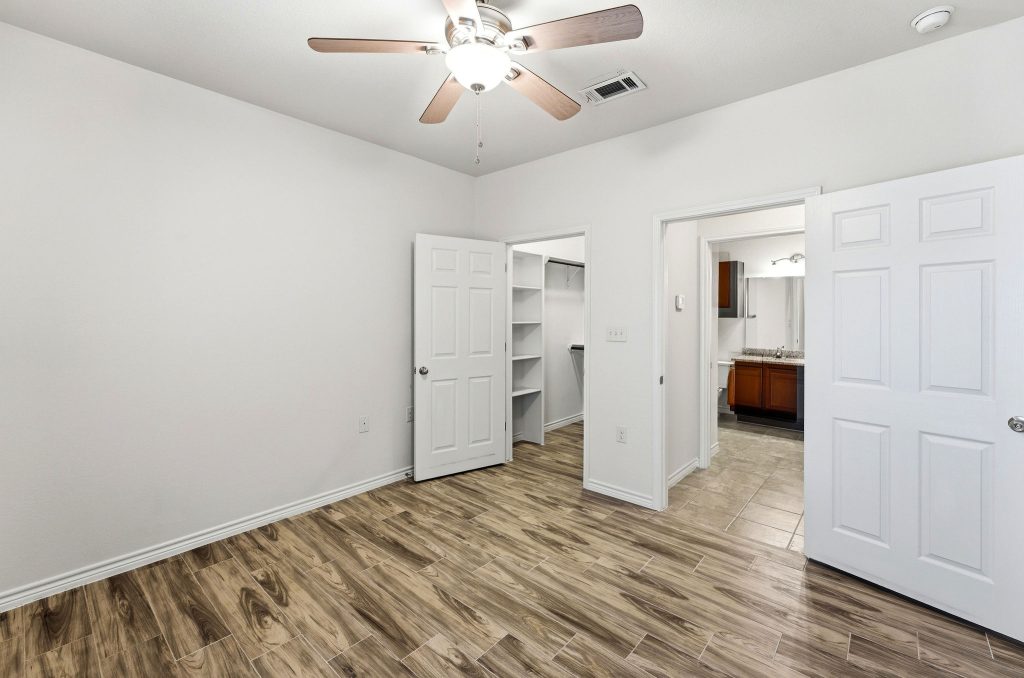
When renting an apartment, the bills you are responsible for depend on the terms of your lease. In most cases, tenants are responsible for some or all of the following:
- Rent
- Electricity (for lights, TV, air conditioning, fans)
- Natural gas (if applicable)
- Water and sewer charges (in some rentals)
- Trash and recycling fees (if not included)
- Internet service
- Cable or streaming services (optional)
- Renters insurance if required by the lease
Before signing a lease, it is important to understand exactly which costs are included in your monthly rent and which bills you will need to pay separately. Knowing your responsibilities can help you create an accurate budget and avoid unexpected expenses after moving in.
Depending on how many people live in your apartment that you rent and your consumption of things like TV, internet and electricity, the prices of utilities can range, with the average American renter spending between $250 and $450 per month on utilities.
Sonterra Apartments offers affordable apartments to rent under $1000 per month, based in Jarrell, Texas. Contact us for more information.
Which Bills Am I Not Responsible for When Renting an Apartment?
Many expenses associated with an apartment are typically paid by the property owner rather than the tenant.
These commonly include property taxes, building insurance, structural repairs, landscaping, maintenance of common areas, and general property management costs. Apartment owners are also usually responsible for maintaining shared amenities and ensuring the building meets local housing standards.
Some apartment communities include water, sewer, trash collection, pest control, or internet service within the monthly rent. In these situations, tenants do not receive separate bills for those services.
The only way to know exactly which bills are your responsibility is to review your lease agreement carefully before signing.
Do Some Rentals Offer Bills Included?
Yes, some rentals offer bills included as part of the monthly rent. These are often referred to as “all-inclusive” or “utilities included” rentals.
In these arrangements, the landlord may cover expenses such as water, sewer, trash collection, electricity, gas, internet, or a combination of these services. This can make budgeting easier because tenants know exactly how much they will pay each month.
Bills-included rentals are particularly common in student housing, furnished apartments, senior living communities, and certain apartment complexes. However, because the landlord is covering these expenses, the monthly rent may be higher than a comparable apartment where tenants pay utilities separately.
Even when utilities are included, it is important to understand whether there are usage limits or additional fees for excessive consumption.
What Does the Average American Rental Pay in Bills Each Month and Per Year?
The amount renters spend on bills varies depending on location, apartment size, energy usage, and local utility rates.
On average, many American renters spend between $250 and $450 per month on utilities and related household services. This often includes electricity, gas, water, internet, and renters insurance.
Using a midpoint of approximately $350 per month, renters could expect to spend around $4,200 per year on these costs in addition to their rent.
Internet service alone often costs between $50 and $100 per month, while renters insurance may range from $10 to $30 per month depending on coverage levels and location. Utility costs can be higher in regions with extreme temperatures due to increased heating and cooling needs.
Because utility expenses can add thousands of dollars to annual housing costs, renters should factor them into their budget before choosing an apartment.
Can I Choose Which Supplier I Use for Internet, Water and Electricity?
The answer depends on the type of utility and where the apartment is located. Internet service typically offers the greatest flexibility. Many apartment communities allow residents to choose from several providers, although some buildings have exclusive agreements with a specific company.
Electricity options vary by state. In states with deregulated energy markets, tenants may be able to choose their electricity supplier. In regulated markets, the local utility company is usually the only available provider.
Water service is generally different. Most renters cannot select their water supplier because service is provided through a municipal water authority or local utility. If water is billed separately, charges are usually based on individual usage or a building-wide allocation system.
Before signing a lease, ask the landlord which providers are available and whether you must establish utility accounts before moving in.
Are Amenities Included When Renting an Apartment?
Many apartment communities include amenities as part of the monthly rent, but this varies by property.
Common amenities include fitness centers, swimming pools, clubhouses, business centers, dog parks, playgrounds, package lockers, outdoor gathering areas, and walking trails. In many communities, residents can use these facilities without paying additional fees.
However, some apartments charge separate fees for premium amenities, reserved parking spaces, storage units, pet services, or package management programs.
Amenities can significantly increase the value of an apartment, so it is important to understand what is included in your lease and whether any additional charges apply.
What Happens if I Do Not Pay These Bills, Will I Be Evicted?
Failing to pay bills can lead to serious financial and legal consequences.
If you do not pay rent, your landlord may issue a notice demanding payment and, if the balance remains unpaid, begin eviction proceedings according to state law.
If utility bills are in your name and you fail to pay them, the utility provider may charge late fees, send the account to collections, damage your credit history, or disconnect service. Losing electricity, gas, or water can make your apartment difficult or impossible to live in comfortably.
If utilities are included in your rent, failing to pay rent could still place you at risk of eviction because the landlord is covering those utility costs on your behalf.
Unpaid bills can also affect your ability to rent another apartment in the future. Many landlords review credit reports and rental histories when evaluating applicants.
If you are struggling to pay your bills, contact your landlord or service provider as soon as possible. Many companies offer payment plans, hardship programs, or temporary assistance options that may help prevent service interruptions or legal action.
Final Thoughts
Understanding which bills you are responsible for when renting an apartment can help you avoid surprises and manage your finances more effectively.
While rent is usually the largest monthly expense, additional costs such as electricity, gas, water, internet, and renters insurance can add significantly to your housing budget.
Some rentals include utilities and amenities, while others require tenants to pay separately. Before signing a lease, take the time to review all costs, ask questions, and calculate your total monthly housing expenses so you can choose a rental that fits your budget and lifestyle.